
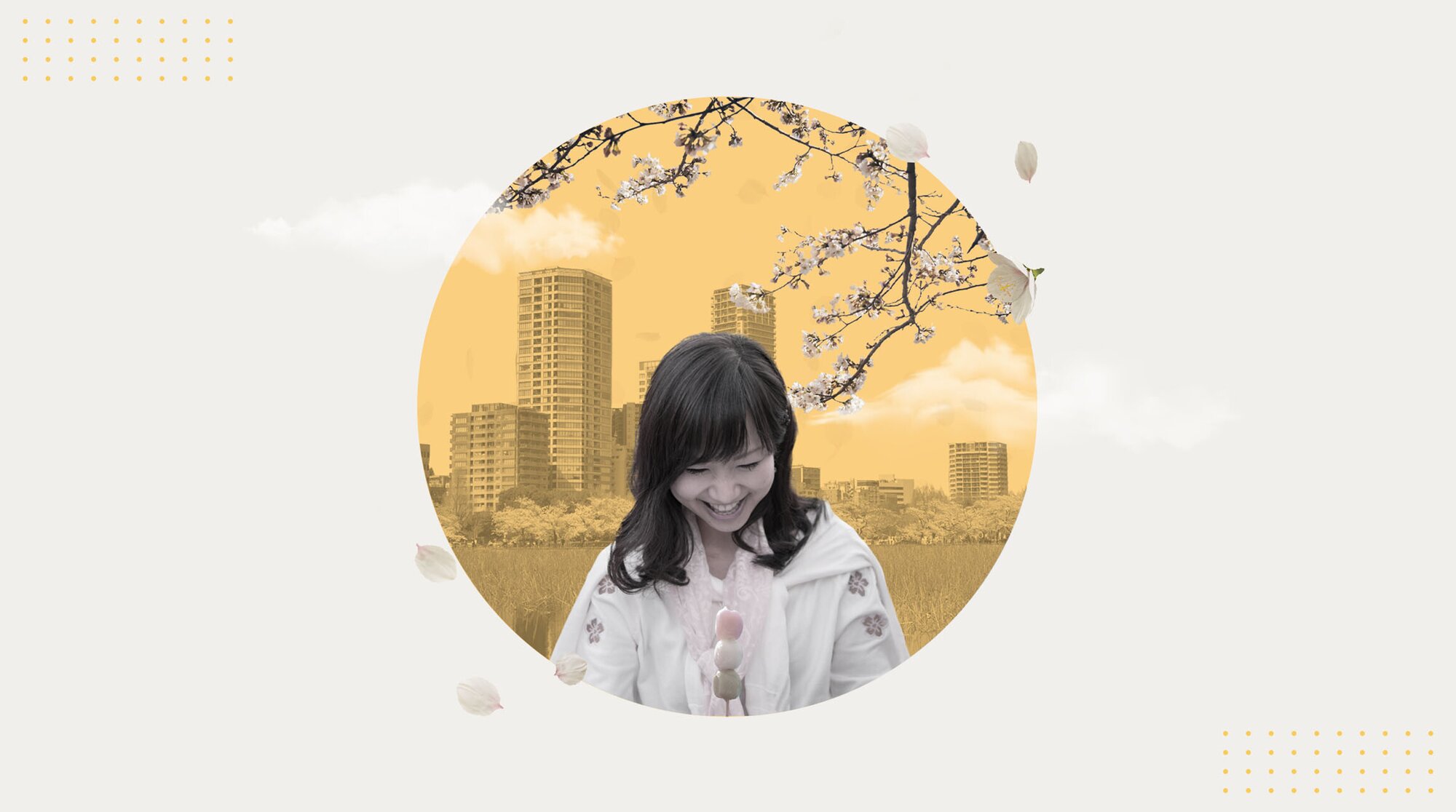
What is Hanami? Your Complete Guide to Japan's Cherry Blossom Festival
Hanami (花見) in Japan literally means “flower viewing”, referring to the tradition of gathering to enjoy cherry blossoms at their peak.
Each spring, locals and travellers alike flock to parks, riverbanks, and temple grounds to picnic under the delicate pink sakura (cherry blossom) trees.
But hanami is more than just admiring flowers – it’s a festive celebration of spring's arrival, renewal, and the fleeting beauty of life.
This centuries-old practice dates back to the Nara period (8th century), when aristocrats would welcome spring with plum and cherry blossom parties.
Today, what is hanami in Japan? It’s a nation-wide phenomenon: families, friends and colleagues spread out picnic mats, share seasonal treats, sip sake, and revel in both daytime flower viewing and evening “yozakura” parties beneath illuminated blooms.
In this complete guide, we’ll cover when is cherry blossom season in Japan, cultural context and etiquette for hanami, regional recommendations from Tokyo to Hokkaido (including hidden gems), travel tips on weather and what to wear, and how to stay connected with the best eSIM for Japan travel.
Whether you're a tech-savvy traveller from the UK/Ireland planning your first cherry blossom festival or a seasoned Japan explorer, read on to prepare for an unforgettable hanami experience.
When is Cherry Blossom Season in Japan?
Japan's cherry blossom season is famously short-lived and varies by region.
In general, cherry blossoms bloom between late March and mid-April in much of Japan.
However, the "sakura front" sweeps across the country from south to north like a pink wave.
The first blooms appear in Japan's warmer southern areas and islands, then progress upward over several weeks.
- Southern Japan (Kyushu & Shikoku): The milder climates in the south kick off the season as early as March. In fact, Okinawa, with its subtropical climate, enjoys cherry blossoms from mid-January into February:contentReference[oaicite:66]{index=66}:contentReference[oaicite:67]{index=67} – far earlier than the rest of Japan. By March, places like Fukuoka and Kagoshima are in bloom.
- Central Japan (Honshu – Tokyo/Kyoto/Osaka): The iconic cherry blossoms in cities such as Tokyo, Kyoto, and Osaka typically bloom in late March to early April. For example, Tokyo's blossoms often start around the last week of March and reach full bloom in early April. Kyoto and Osaka are on a similar timeline, give or take a few days. This period is considered the peak of cherry blossom season when many sakura festivals occur.
- Northern Japan (Tohoku & Hokkaido): Owing to cooler climate, northern regions see later blooms. In areas like Aomori or Sendai (Tohoku), cherry blossoms tend to open in mid to late April. Further north in Hokkaido, peak bloom can be as late as early May:contentReference[oaicite:69]{index=69}. For instance, Sapporo might celebrate hanami at the end of April or early May, when southern Japan's petals have already fallen. The warmer lowlands bloom first, followed by chillier highland spots and mountains a bit later:contentReference[oaicite:70]{index=70}.
Keep in mind that sakura are notorious for their brief splendor. Once a tree flowers, you typically have only about one week to ten days of peak bloom before petals start fluttering to the ground:contentReference[oaicite:71]{index=71}. In each location the blossoms last around one to two weeks at most:contentReference[oaicite:72]{index=72}, depending on weather. A warm spell can accelerate the bloom and a heavy rain or windstorm can end the show abruptly. This fleeting nature – known as “mono no aware”, the bittersweet awareness of impermanence – is partly why cherry blossoms are treasured in Japanese culture. If you’re planning travel, it’s wise to stay flexible and check forecast updates. Every year, the Japan Meteorological Agency and news outlets track the sakura zensen (cherry blossom front) from the first bloom in Okinawa up through Honshu and Hokkaido:contentReference[oaicite:73]{index=73}. Tuning into these forecasts can help you catch the blossoms at their best, or even to “chase” them by visiting multiple regions sequentially.
Tip: If you can't travel during late March or early April, you can still enjoy cherry blossoms by targeting early or late blooming areas. For example, visit Okinawa in February for the earliest sakura of Japan, or head to northern Tohoku or Hokkaido in late April to early May for the last bloom of the season. This staggered regional timing offers a bit of flexibility for travellers with fixed vacation dates.
The Cultural Significance of Hanami
To truly appreciate hanami, one should understand its cultural context. The act of enjoying cherry blossoms embodies core Japanese values and aesthetics. Cherry blossoms – with their explosion of beauty and swift disappearance – have long symbolised the transience of life in Japanese culture:contentReference[oaicite:74]{index=74}:contentReference[oaicite:75]{index=75}. They bloom brilliantly, yet briefly, reminding us to cherish the moment. This resonates with Buddhist influences (the concept of impermanence) and Shinto beliefs (cherry trees were thought to house deities or spirits):contentReference[oaicite:76]{index=76}. Thus, hanami is not just a party under trees; it’s almost a poetic observance of nature’s cycle of birth and rebirth each spring.
Historically, hanami began with the elite. By the Heian era, imperial courtiers would compose poems under blossoming trees. Over centuries the practice spread to samurai and eventually to the common people:contentReference[oaicite:77]{index=77}. Today, hanami is wildly popular across all levels of society – from schoolkids to office workers – and it often brings people together. Many companies and clubs hold hanami gatherings as a form of bonding. In fact, it’s common for junior staff to be sent out early to reserve a prime picnic spot for their colleagues, sometimes even the day before, by laying down a tarp on the ground:contentReference[oaicite:78]{index=78}!
During hanami, parks transform into open-air celebrations. You'll see groups sitting on blue tarpaulin mats or blankets under the trees, often with shoes neatly set aside (stepping on the picnic sheet with shoes on is a no-no). There's laughter, clinking of glasses, and plenty of food. Typical hanami foods and drinks have developed over time. People bring homemade or store-bought bento boxes, spring-themed snacks and sweets, and seasonal treats like hanami dango (tricolour rice dumplings) and sakura mochi (sweet pink rice cakes wrapped in pickled cherry leaves):contentReference[oaicite:79]{index=79}. And of course, sake, beer, or canned chu-hi cocktails are enjoyed by many – often leading to cheerful (if sometimes boisterous) evenings. After sunset, some popular spots hang lanterns or have illuminated trees for 夜桜 (yozakura), literally “night cherry blossoms,” creating a magical ambiance for after-dark picnics:contentReference[oaicite:80]{index=80}.
It’s worth noting that “Cherry Blossom Festival” vs. Hanami: The term hanami refers broadly to the tradition of flower viewing, usually informal. However, many cities also organise sakura matsuri (cherry blossom festivals) which are more like events or fairs. For instance, a park may host a festival with food stalls, performances, or tea ceremonies for a few days at peak bloom. These are fun to visit (especially in tourist-friendly spots like Ueno Park or Hirosaki Castle), but they’re still essentially about enjoying the blossoms. You don’t need an official event to do hanami – simply having your own picnic under a blooming tree counts just as much. Tourists are absolutely welcome to join in the hanami fun; just be respectful of the space and local customs.
Where to See Cherry Blossoms in Japan
So, for the uninitiated with time and flexibility to travel around Japan, where are the best places to enjoy hanami?
In Spring, nearly all of Japan is bursting with cherry blossoms.
Every city, town and village has local sakura spots. Whether that's a park, castle grounds, riverside, or school yard lined with trees.
That said, some famous locations are particularly beloved for good reason, while a few lesser-known gems can offer breathtaking views minus the massive crowds. Here's a regional roundup.
Tokyo
As you may expect, Tokyo goes big for Hanami and the city's parks turn into mini-festivals of their own.
Ueno Park is perhaps Tokyo's most famous hanami spot. Over a thousand cherry trees form fluffy pink canopies along its central path
It’s crowded and cheerful, with food stalls and even rowboat rentals on Shinobazu Pond under the blossoms.
Shinjuku Gyoen National Garden, by contrast, provides a more spacious and curated experience: this large park has around 1,500 cherry trees of multiple varieties:contentReference[oaicite:83]{index=83}, so you can see blossoms over an extended period.
It's a great place for a relaxing picnic away from city noise (note: small admission fee and no alcohol rule keep it calmer).
For a romantic vibe, the Meguro River in Nakameguro is stunning – a stretch of riverbank in the city lined with hundreds of sakura, famous for lantern-lit evening walks and photography.
Other top Tokyo hanami spots include Yoyogi Park (youthful atmosphere, often with music and impromptu frisbee games), Sumida Park (views of Tokyo Skytree with blossoms), and Chidorigafuchi near the Imperial Palace (rent a rowboat and paddle under petals on the moat – incredibly scenic but go early to avoid the queue).
Kyoto
Springtime at a Kyoto temple – cherry blossoms create a fairytale backdrop.
Kyoto’s classical beauty shines during sakura season. This ancient city is dotted with historic sites that look even more atmospheric framed by pink blossoms. One must-visit is Maruyama Park, behind Yasaka Shrine in Gion, which is home to the famous “Gion weeping cherry” tree. This giant, gracefully drooping cherry tree is illuminated at night and serves as an iconic centerpiece for Kyoto’s festivities. Nearby, you’ll find food stalls and hundreds of people enjoying picnics, making Maruyama Park Kyoto’s central hanami hub. For a serene stroll, the Philosopher’s Path is a stone walkway along a canal lined with hundreds of cherry trees – when the petals fall it’s like walking through a pink snowfall:contentReference[oaicite:86]{index=86}:contentReference[oaicite:87]{index=87}. This route connects Ginkaku-ji (Silver Pavilion) with Nanzen-ji temple, and early April is usually the best time. Other beloved spots include Heian Shrine’s garden, which has late-blooming weeping cherries cascading over a pond, Arashiyama (where riverside cherry trees bloom against the backdrop of wooded mountains; combine it with the famous bamboo grove nearby), and Kiyomizu-dera temple, which offers a panoramic view of the city with cherry blossoms in the foreground. Remember, Kyoto is extremely popular during sakura season – expect big crowds at the famous sites, but also an electric atmosphere. If major spots are packed, seek out lesser-known temple gardens or the banks of the Kamo River, where locals relax under rows of cherry trees for free.
Osaka
Osaka Castle surrounded by cherry blossom trees in full bloom.
Osaka might be Japan’s third largest city, but it knows how to throw a cherry blossom party. The top spot here is Osaka Castle Park, where around 3,000 cherry trees are planted around the expansive castle grounds. Seeing the white walls of Osaka’s castle keep rising above pink blossoms is a classic postcard view, especially magnificent at Nishinomaru Garden which offers an excellent vantage. The park gets lively with food stands and even nighttime light-ups. Another great Osaka location is the Kema Sakuranomiya Park, a riverside park with nearly 5,000 cherry trees stretching several kilometers along the Okawa River. It’s perfect for a scenic walk or jog under tunnels of blossoms, and you can take a river cruise to view the sakura from the water. For families, the Expo ’70 Commemorative Park (Banpaku Park) in northern Osaka provides wide open lawns and hundreds of cherry trees away from the city center – plus cultural museums to explore if you need a break from petals. Like Tokyo, Osaka’s urban vibe means hanami often comes with a side of street food and festive cheer. Don’t be surprised to find Osakans firing up takoyaki stands or sharing local snacks under the trees – it’s all part of the experience.
Hokkaido
Hokkaido, Japan’s northernmost island, is the last to welcome cherry blossoms, but it’s well worth the wait. The cooler climate means blooms open in late April or even early May, making it a great choice if you miss the mainland’s peak. One of the most famous spots is Goryōkaku Park in Hakodate, a star-shaped former fortress whose moats are lined with approximately 1,600 cherry trees. Come late April, the entire moat reflects clouds of pink, and petals floating on the water create a magical scene – you can even ascend Goryōkaku Tower for a bird’s-eye view of this “sakura star.” Further north, Matsumae Park (in Matsumae, Hokkaido’s southern tip) is known as the “Hokkaido Sakura Capital,” boasting an eclectic mix of cherry tree varieties and a castle. In central Hokkaido, Maruyama Park and Hokkaido Shrine in Sapporo are local favourites for hanami picnics among the cherry trees (usually around early May). What’s special about Hokkaido is that you might see a unique blend of late spring and lingering traces of winter – sometimes snow-capped mountains in the distance provide a stunning contrast to the blossoms. The atmosphere in Hokkaido’s hanami spots is a bit more relaxed and less crowded compared to Tokyo/Kyoto, giving you space to breathe in the crisp spring air scented with sakura. Just be sure to bundle up more warmly – early May evenings in Hokkaido can still be chilly!
Hidden Gems for Cherry Blossom Viewing
While famous spots are popular for a reason, Japan has countless hidden gem hanami locations where you can avoid the thickest crowds and discover something unique. Here are a few worth noting:
- Hirosaki Castle, Aomori: In the far north of Honshū, Hirosaki Castle Park hosts one of Japan’s top cherry blossom festivals but still feels like a hidden gem to international tourists due to its remote location. Over 2,500 trees bloom here in late April, including tunnels of blossoms and petal-filled moats – a breathtaking sight:contentReference[oaicite:89]{index=89}. The backdrop of a 17th-century castle keep and often snow-capped Mount Iwaki on the horizon make it a photographer’s dream. (Fun fact: Hirosaki is famous for its vigorous petal “carpets” on the water, often called the sakura “flower raft.”)
- Mount Yoshino, Nara: Arguably Japan’s most iconic sakura mountain, yet it retains a serene charm. About 30,000 cherry trees blanket Yoshinoyama across different elevations:contentReference[oaicite:90]{index=90}, so as you hike up (or take a shuttle), you pass through multiple layers of bloom. Early to mid-April is ideal for lower slopes; higher up blooms a bit later. Yoshino’s panoramic views of layer upon layer of pink treetops have inspired poets for over a millennium. It’s a UNESCO World Heritage site and can get busy on weekends, but on a weekday or early morning it’s pure magic.
- Kenrokuen Garden, Kanazawa: This famous landscape garden is worth visiting any time of year, but in early April its cherry trees add extra splendor. Kenrokuen’s refined beauty, stone lanterns, and lake are accented by pale pink blossoms, creating a picture of classic Japan. Evening illuminations during peak bloom make for an ethereal experience. Kanazawa sees fewer foreign tourists than Kyoto, so you might find the crowds more manageable.
- Miharu Takizakura, Fukushima: If you’re after one spectacular tree rather than a whole park, seek out the Miharu “waterfall cherry tree” in rural Fukushima. This single gigantic weeping cherry tree, over 1,000 years old, cascades in blossoms like a waterfall of pink every mid-April. It’s one of Japan’s three great cherry trees. Visiting it feels almost pilgrimage-like – a reminder of how deeply cherished cherry blossoms are in Japan.
These are just a few of countless options. Other mentionable spots include Kakunodate in Akita (cherry blossoms along samurai town streets), Takato Castle Park in Nagano, Tsuyama Castle Park in Okayama, and many more. If you venture a bit off the typical tourist trail, you’ll often be rewarded with unforgettable sakura scenes and elbow room to enjoy them.
Hanami Etiquette and Tips for Travelers
Participating in hanami is joyous, but it comes with some unwritten rules and good practices. Japanese people take care to show respect for both nature and other visitors during cherry blossom season. Here’s how to enjoy your cherry blossom viewing like a local, respectfully and comfortably:
- Do: Arrive Early to Reserve a Spot. Popular hanami spots can get incredibly busy, especially on weekends. It’s first-come, first-served for the best picnic areas. Don’t be surprised to see prime locations marked with a tarp and someone sitting there from morning to stake a claim:contentReference[oaicite:91]{index=91}. If you’re set on a particular spot, go early in the day. However, don’t take up more space than you need – holding an unnecessarily large area is frowned upon:contentReference[oaicite:92]{index=92}.
- Don’t: Damage the Trees. This is a big one. The cherry trees are the star of the show, and harming them is strictly taboo (and sometimes illegal). Never pick blossoms, break branches, or climb the trees:contentReference[oaicite:93]{index=93}. Even shaking the branches to make petals fall is a no-no. The trees are delicate and injuring them could prevent future blooms or expose them to disease:contentReference[oaicite:94]{index=94}. So enjoy with your eyes and camera, but hands off the blossoms!
- Do: Keep it Tidy. You’ll notice Japanese hanami-goers bring plastic bags for rubbish. Public bins can be scarce in parks:contentReference[oaicite:95]{index=95}, so be prepared to carry out your trash. After your picnic, leave the area as clean as you found it (or cleaner). This means picking up every bit of litter, bottle caps, etc. It’s part of showing appreciation for the space and for those coming after you. If you’re drinking, know your limits and tidy up any cans/bottles.
- Don’t: Be too rowdy. Hanami is festive and having some drinks is fine, but try to be considerate with noise. Raucous singing or loud music is discouraged (in fact, many parks ban portable speakers or instruments):contentReference[oaicite:96]{index=96}. People around you may be quietly appreciating the flowers or having a family outing. So by all means laugh and enjoy, but save the karaoke for later unless you’re sure it’s welcome. Also, note that some parks prohibit alcohol or have evening curfews:contentReference[oaicite:97]{index=97} – check signs or websites in advance.
- Do: Bring the Essentials. Key items for your hanami picnic include a groundsheet or tarp (available at convenience stores or 100-yen shops cheaply), reusable or disposable plates, cups, chopsticks, and napkins. It can still be chilly in early spring, especially in the evenings, so dress in layers and consider a jacket or even a small blanket for warmth:contentReference[oaicite:98]{index=98}. An insulating picnic mat or even a piece of cardboard under your sheet helps keep out ground dampness on cool days. And remember to remove your shoes before stepping onto the picnic mat as a courtesy (place them to the side or in a bag):contentReference[oaicite:99]{index=99}.
- Don’t: Forget to Check Park Rules. Each hanami spot may have its own guidelines. For example, Shinjuku Gyoen (Tokyo) doesn’t allow alcohol. Some places forbid BBQs or bonfires. A few spots drone announcements about packing up by sunset. Just be aware and follow any posted rules or what locals seem to be doing.
- Do: Enjoy Seasonal Food and Drink. Part of the hanami fun is tasting spring treats. Try picking up a sakura-themed bento, some sakura mochi or dango, and perhaps a special edition sakura beer or tea. Convenience stores in Japan even sell spring snacks like sakura cookies or sandwiches. It’s all about indulging in the seasonal spirit.
Finally, be friendly! If you’re a visitor, hanami is a great chance to mingle. Don’t be shy about chatting with the group picnicking next to you (many Japanese are excited to see foreigners enjoying their traditions). A simple compliment about the beautiful flowers or sharing a snack can spark a fun exchange. Hanami’s atmosphere is convivial – a shared appreciation of nature’s beauty tends to bring out smiles in everyone.
Weather and What to Wear for Hanami Season
Spring Weather in Japan: Cherry blossom time coincides with the transition from winter to spring, so weather can be quite variable. In late March and April, most of Honshu (Tokyo/Kyoto/Osaka) enjoys mild days and cool nights. Daytime high temperatures typically range from about 15°C to 20°C, but can drop below 10°C at night. Early spring also brings occasional rain showers. Northern Japan (Tohoku, Hokkaido in late April) will be a bit colder – Sapporo, for example, might still see highs around 10°C in early May, with brisk evenings. Conversely, Okinawa’s blossom season (Jan–Feb) is more like a warm spring, around 20°C.
What to Wear: Pack layers. A typical hanami day outfit might include a light sweater or long-sleeve shirt, a medium-weight jacket or coat, and a scarf for the evening:contentReference[oaicite:100]{index=100}. You’ll likely start the morning with a jacket on, might peel it off if afternoon sun warms you, and need it again after sunset. Comfortable shoes are important – you may be walking and standing a lot, and parks can be muddy or damp. Many locals even carry an extra blanket or shawl in case it gets chilly sitting on the ground. Umbrella or raincoat is wise to have on hand; spring showers can surprise you. If you plan on going out in the evenings for yozakura, slightly warmer attire (or even some portable kairo heat pads) can help, since sitting outdoors at night can feel cold.
One charming option: You’ll notice some people (especially women and couples) dress up in traditional kimono for cherry blossom viewing, which makes for gorgeous photos among the flowers. This is totally optional but if you enjoy cultural dress, places in Kyoto, Tokyo, etc. offer kimono rentals – just remember kimonos can be less insulated, so if it’s cold you might freeze for fashion! Otherwise, casual and comfy is the way to go.
Sakura Allergies: A quick note – while not as notorious as cedar pollen, cherry blossoms can still contribute to spring pollen in the air. If you have hay fever, consider bringing allergy medication or masks, as the pollen count in spring can get high.
Staying Connected: Best eSIM for Japan Travel
Traveling during the cherry blossom season means you’ll likely be navigating crowded cities, checking festival updates, and of course posting all those dreamy sakura photos. Having reliable mobile internet is a game-changer. For UK and Ireland travellers (or anyone with an unlocked phone), one of the smartest tech choices is to use an eSIM for Japan travel. So, what is an eSIM and why is it great for your Japan trip?
What is an eSIM? An eSIM (embedded SIM) is a digital SIM card built into your phone that you can activate with a software download – no physical SIM card needed:contentReference[oaicite:101]{index=101}. In practical terms, it means you can purchase a data plan for Japan online (from your home or while abroad), and simply scan a QR code or use an app to load that new plan onto your phone. Your phone can then connect to Japanese networks as if you popped in a local SIM, all without visiting a shop. Many newer smartphones – including iPhones, Samsung Galaxy, Google Pixel and others – support eSIM. It’s wise to check your device settings or manufacturer site to ensure your model is eSIM-compatible, and make sure your phone is unlocked (not tied to your home carrier).
Why use a data eSIM for Japan? For a tech-savvy traveller, eSIMs offer ultimate convenience. You can set up your eSIM for Japan before you even depart the UK, so that the moment you land in Tokyo and switch off airplane mode, your phone connects to a local network. There’s no need to fiddle with tiny SIM cards or find a SIM vending machine at the airport. It also lets you keep your regular SIM (and number) active for calls or texts if needed, while using the eSIM for local data – effectively you can have dual-network connectivity. Many travellers compare options: renting a pocket WiFi, buying a Japanese SIM, roaming with their UK provider, or using a travel eSIM. Of these, an eSIM for Japan UK travellers is often the most cost-effective and hassle-free choice, since pocket WiFi devices can be cumbersome (and incur fees if lost) and roaming plans from UK carriers tend to be very expensive for Asia. With an eSIM, you get local-rate data without the paperwork, and you can top-up or extend online.
Choosing the Best eSIM for Japan: There are numerous eSIM providers and the “best” depends on your needs (data amount, duration, price). Some popular options among Japan travellers include global services like Ubigi, Airalo, Holafly, and Nomad:contentReference[oaicite:102]{index=102}. For instance, Ubigi (a provider often recommended for its coverage) partners with NTT Docomo’s network in Japan, giving you broad 4G/5G coverage across the country:contentReference[oaicite:103]{index=103}. Plans can range from small data packs (e.g. 500 MB for a day) to large ones (10 GB or even unlimited plans for a month):contentReference[oaicite:104]{index=104}. Another well-known one, Airalo, offers a Japan eSIM called “Sakura” with various data packages and is praised for ease of use – you purchase through their app/store and install with a couple of taps. If you’re looking specifically from a UK perspective, you might consider providers that have good support for UK customers or even purchase through a UK travel tech retailer, but ultimately the eSIM will behave the same in Japan. The best eSIM for Japan from UK travellers’ point of view is one that gives a cheap per-gigabyte rate, reliable coverage (Docomo or SoftBank network), and responsive customer service in case you hit a snag. Reading recent reviews or tech blog roundups (e.g. TechRadar’s list of best eSIMs for Japan:contentReference[oaicite:105]{index=105}) can help narrow it down.
Setting up an eSIM is straightforward. Typically, after purchase, you’ll receive a QR code via email or in the provider’s app. On your phone, you go to the cellular settings and find “Add eSIM” or “Add Cellular Plan”, then scan the QR code. The plan details get downloaded to your device. You can usually do this before your trip (the eSIM will lie dormant until you activate it, either manually or automatically on a set start date). It’s a good idea to install it ahead of time while you have good Wi-Fi at home or in the hotel. Once in Japan, you might need to turn on the eSIM line and ensure data roaming is allowed for that plan. Don’t worry – “roaming” in this context just means using the local network with that plan; you won’t incur your home carrier’s fees.
Using your eSIM in Japan: After activation, it works just like any mobile data. You can use Google Maps to find that secret ramen shop, translate signs on the fly, upload sakura selfies to Instagram, and stay reachable via WhatsApp or VoIP calls. Coverage in cities is generally excellent (Japan’s mobile networks are very advanced). If you venture to very remote countryside or mountains, coverage might drop, but that would be the case with a local SIM too – so check coverage maps if your itinerary is offbeat. One cool benefit: because eSIMs allow multiple profiles, you could have your primary number and Japan data on one phone. Your friends or family can still reach your regular number via WhatsApp/iMessage, etc., and you avoid expensive roaming data charges by using the eSIM’s data for everything. It’s like having a local Japanese SIM, but with zero hassle.
In summary, an eSIM for Japan travel keeps you connected throughout your hanami adventure. From checking which park’s flowers have bloomed today, to navigating the train system, to meeting up with fellow travellers in crowded Shinjuku – you’ll be glad to have mobile internet access. For UK travellers in particular, it means no worrying about physically obtaining a SIM in Japan or shock bills from your UK provider. Just remember to purchase from a reputable eSIM provider, and ensure your phone supports it. With that sorted, you can focus on enjoying every moment of your cherry blossom trip and effortlessly share the experience with everyone back home.
FAQs: Cherry Blossom Travel in Japan
Q: What is hanami in Japan?
A: Hanami (literally "flower viewing") is the Japanese tradition of enjoying blooming flowers, especially cherry blossoms. In practice, it means gathering in parks or gardens during spring to admire the cherry blossoms, often with a picnic. Hanami has deep cultural roots – it’s both a celebration of nature’s beauty and a social event. In modern Japan, hanami can be a casual family outing, a company party under the trees, or an evening of festivity with friends. It’s essentially Japan’s cherry blossom festival where the focus is on appreciating the transient beauty of sakura blossoms.
Q: When is cherry blossom season in Japan?
A: Cherry blossom season typically falls in spring, usually late March to mid-April for central Japan:contentReference[oaicite:106]{index=106}. However, the exact timing varies each year and by region. In southern areas like Kyushu (and Okinawa even earlier) blossoms can start in March or even February, whereas northern regions like Hokkaido bloom in late April or early May:contentReference[oaicite:107]{index=107}. Each city’s peak bloom usually lasts around one week to 10 days. If you plan to visit for sakura, late March to early April is a good bet for places like Tokyo, Kyoto, and Osaka – but always check the annual forecast for precise dates.
Q: How long do cherry blossoms last?
A: Not long! Once a cherry blossom tree flowers, the peak bloom might last about a week before the petals begin to fall. In total, a single location’s “cherry blossom season” might be around 10-14 days from first opening to final petal drop, depending on weather. Cooler temperatures can extend the blooming a bit, while rain or strong wind can cut it short. That’s why the Japanese cherish the blooms – their beauty is stunning but fleeting. The falling petals, sometimes called sakura fubuki (cherry blossom blizzard), are considered beautiful in their own right, like pink snowflakes swirling around.
Q: What are the best cherry blossom viewing spots in Japan?
A: It’s hard to pick because there are so many! In Tokyo, popular spots include Ueno Park, Shinjuku Gyoen, Yoyogi Park, Meguro River, and Chidorigafuchi. Kyoto is famous for Maruyama Park (with its giant weeping cherry tree), Philosopher’s Path, Arashiyama, and numerous temples like Kiyomizu-dera. Osaka shines at Osaka Castle Park and along the Okawa River (Kema Sakuranomiya Park). Hokkaido has gems like Goryōkaku in Hakodate and Maruyama Park in Sapporo. Other renowned places are Hirosaki Castle (Aomori), Mount Yoshino (Nara), Himeji Castle, and many more. Essentially, any city you visit in spring will have lovely sakura spots – some are just more famous than others. If you want a less crowded experience, consider smaller towns or parks slightly outside the city centres, which can be just as gorgeous.
Q: Do I need to pay to attend hanami or cherry blossom festivals?
A: Enjoying cherry blossoms in public parks is generally free. Hanami is not a ticketed event – it’s a natural occurrence. Most parks in Japan have free entry (a few, like Shinjuku Gyoen or certain gardens, charge a small admission fee year-round). During special sakura festivals, you might spend money on things like food stalls, boat rentals, or evening illumination events, but there’s no overall fee just to see the flowers. Simply find a public space with cherry trees and join in. If a specific venue is hosting a sakura matsuri (festival) with performances, check if an entry fee applies, but that’s rare. The one cost you should anticipate is accommodation and travel – because so many people travel during cherry blossom season, hotels and flights can be pricier than usual.
Q: What should I bring for a hanami picnic?
A: Bring a picnic mat or tarp to sit on (a blue sheet from a 100-yen shop is classic). Carry some snacks or a prepared bento, drinks (if alcohol is allowed, perhaps some beer, sake or tea), and cups/plates/chopsticks. Pack a bag for rubbish to carry out. It can be wise to have a light jacket or blanket in case it gets chilly, and perhaps a portable battery for your phone (you’ll be taking lots of photos!). If you go in the evening, a small flashlight can help when packing up in the dark. Most importantly, bring good company and a relaxed attitude to fully enjoy the experience under the blossoms.
Q: What are some do’s and don’ts of hanami?
A: Do arrive early to secure a nice spot (especially in popular parks). Do take your shoes off before stepping on the picnic sheet (it keeps things clean). Do clean up all your rubbish and take it with you if no bins are available. Don’t break off branches or pick the flowers – it’s considered very rude and harmful to the trees:contentReference[oaicite:108]{index=108}. Don’t play loud music or make a huge ruckus; have fun but be mindful of others relaxing nearby. Don’t hog a giant area if your group is small – space is at a premium on peak days. Essentially, enjoy yourself while also helping others enjoy the shared space.
Q: Is it very crowded during cherry blossom season?
A: In popular spots and cities – yes, it can be. Sakura season is arguably Japan’s busiest tourism period. Both domestic and international tourists turn out in large numbers. Parks like Ueno or Maruyama can be packed shoulder-to-shoulder on peak days. Famous photo locations might have queues. Hotels and trains are busier too. However, not every place is jammed. If crowds aren’t your thing, seek out less famous parks or visit major ones very early in the morning. Additionally, weekdays are quieter than weekends for hanami. Even in a crowded park, there’s a joyful atmosphere that many find enjoyable rather than stressful. But be prepared for crowds, and plan accordingly (e.g. make restaurant reservations, book hotels months early:contentReference[oaicite:109]{index=109}, and give yourself extra time to move around cities). The visual payoff of those blooms is usually worth it!
Q: Why use an eSIM in Japan? Can’t I just use Wi-Fi or my UK SIM?
A: You certainly can rely on public Wi-Fi or your home SIM on roaming, but there are downsides. Public Wi-Fi in Japan exists (at airports, some train stations, Starbucks, etc.), but it’s not everywhere and can be slow or require registration. Relying on it might leave you disconnected just when you need Google Maps or want to call an Uber. Roaming with a UK SIM in Japan, on the other hand, is extremely expensive with most providers – you might incur hefty charges for data use. Buying a local SIM in Japan is an option, but it requires finding a shop or kiosk and sometimes dealing with registration or language. Using an eSIM for Japan streamlines this – you can get a local data plan activated on your phone usually at a much better price than roaming:contentReference[oaicite:110]{index=110}:contentReference[oaicite:111]{index=111}, and you’ll have connectivity everywhere you go (Japan’s mobile network coverage is excellent in urban areas and decent in most rural areas). For a tech-savvy traveller, an eSIM means one less worry upon arrival. It’s essentially “plug-and-play” internet access, allowing you to share your cherry blossom snaps, look up train times, and stay connected with ease.
Q: What’s the best eSIM for Japan for UK travellers?
A: There are a few top contenders often mentioned: Ubigi and Airalo are two popular choices:contentReference[oaicite:112]{index=112}. Ubigi tends to have competitive prices and uses NTT Docomo’s network (one of Japan’s best):contentReference[oaicite:113]{index=113}, which means solid coverage. Airalo offers convenience through its app and has a variety of Japan plans. Other providers like Holafly, Nomad, GigSky, or even UK-based services like Three’s international eSIM might be considered. The “best” really depends on your needs – if you need a lot of data, look for an unlimited or high-cap plan; if you’re travelling to multiple countries, maybe a regional Asia eSIM makes sense. Check recent reviews for speed and reliability. The good news is that all these eSIM options spare you from hunting down a SIM card on arrival. Many UK travellers report great success using eSIMs in Japan, finding them cheaper than paying for roaming and more flexible. Just ensure your phone is unlocked and eSIM-capable, and purchase the eSIM from a reputable source (many recommend doing it from the official websites or app stores of those providers).
Q: Is Japan’s cherry blossom season really worth the trip?
A: Absolutely – if you love natural beauty, cultural experiences, and don’t mind some crowds, sakura season in Japan is almost magical. There’s a reason it’s on so many bucket lists. The whole country takes on a celebratory vibe, from special flower forecasts on TV to seasonal menus in cafes. You’ll witness not just pretty flowers, but a cultural event that brings people happiness and connection. That said, every season in Japan has its charm, and if you can’t make it in spring, you’ll find other delights (autumn leaves, summer festivals, etc.). But experiencing hanami even once is truly special. Just be sure to plan ahead (book early, be ready for crowds at times) and then immerse yourself in the moment – sit under a tree, let the petals drift down, sip a drink, and relish the fact you’re part of a tradition that’s been alive for over a thousand years. Enjoy your hanami!


